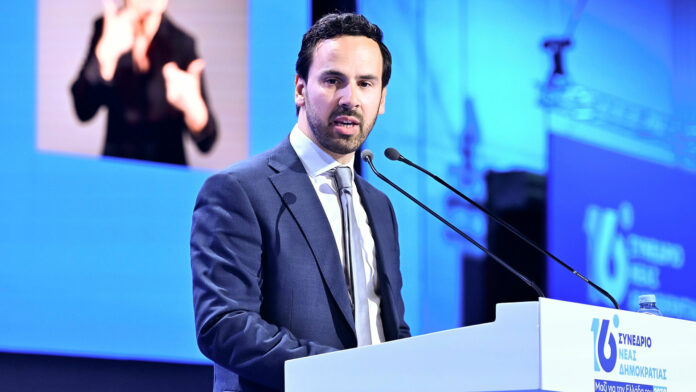
The recent exchange between prominent political figures Θόδωρος Μαργαρίτης and Νίκος Ρωμανού has raised questions about the current state of political discourse in our country. The conversation, which was captured in a video, provides a glimpse into the ideological divides that seem to be deepening within our political landscape.
Many observers have noted a certain “blue toxicity” permeating discussions around government policies and actions. This term reflects a growing frustration among citizens towards the ruling party, New Democracy, and its handling of pressing issues. The gravity of this situation cannot be understated, as it not only affects party dynamics but also the overall political climate in Greece.
In the recent dialogue, Μαργαρίτης, a member of the opposition party, PASEP, exhibited a level of decorum that is often lacking in political debates today. His approach was marked by a sense of respect and a commitment to constructive dialogue, contrasting sharply with the often aggressive tactics employed by some members of the ruling party. This raises an important question: should political figures prioritize civility over combative strategies?
On the other hand, Ρωμανού’s response seemed to exceed even the already high standards he had set for himself. His remarks were not merely defensive; they were indicative of a broader trend within the ruling party that appears to dismiss dissenting voices. This attitude can alienate not only the opposition but also the electorate, particularly those who feel their concerns are being overlooked.
The implications of this political toxicity are far-reaching. For one, it risks creating an environment where critical issues — such as economic recovery and social welfare — are overshadowed by personal attacks and political maneuvering. Citizens are becoming increasingly disengaged, and this disengagement can translate into lower voter turnout in future elections.
Moreover, the government’s focus on maintaining a strong image may lead to a lack of transparency and accountability. In a democracy, it is vital for the ruling party to engage with its constituents openly and honestly. Failure to do so can create a rift between the government and the people, undermining the very foundation of democratic governance.
As we approach the upcoming elections, it is essential for all political actors to reflect on their strategies and rhetoric. A commitment to constructive dialogue and a willingness to listen to diverse perspectives can foster a healthier political environment. The electorate deserves leaders who prioritize the common good over party loyalty.
In conclusion, the exchange between Μαργαρίτης and Ρωμανού serves as a microcosm of the larger political tensions we are currently facing in Greece. It highlights the need for a shift in how political discourse is conducted. As citizens, we must hold our leaders accountable for their words and actions, advocating for a political culture that promotes respect, understanding, and collaboration. Only then can we hope to address the critical issues facing our nation and move towards a more united and prosperous future.
In these tumultuous times, let us remember the importance of civility in politics. While disagreements are inevitable, it is how we engage with one another that will determine the future of our democracy. As we navigate the complexities of governance, let us strive to foster a political atmosphere that values dialogue over division, ensuring that the voices of all citizens are heard and respected. The health of our democracy depends on it.