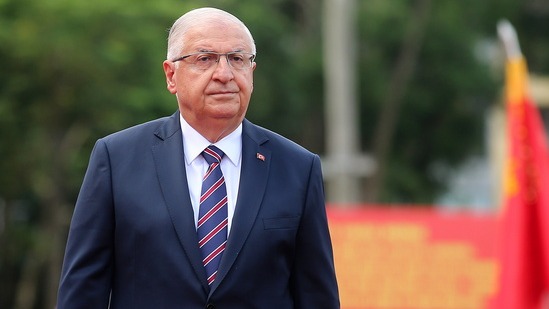
Recently, the Turkish Minister of Defense made a bold statement that has raised concerns in Europe and beyond. He claimed that any alliance or agreement targeting the rights and interests of Turkey and Turkish Cypriots is doomed to fail. This assertion not only reflects Turkey’s aggressive stance in regional politics but also emphasizes the precarious situation regarding Cyprus.
Cyprus has long been a focal point of tension between Turkey and Greece, with the island divided since 1974. The Turkish invasion and subsequent occupation of the northern part of Cyprus have led to ongoing disputes over sovereignty and territorial rights. The recent agreement between Cyprus and France, which aims to bolster defense cooperation, has angered Ankara. The Turkish Minister’s remarks indicate a clear warning against any such alliances, suggesting that Turkey is prepared to respond if it perceives its interests are threatened.
This rhetoric is not new. Turkey has consistently displayed a willingness to utilize threats and intimidation as tools in its foreign policy arsenal. The implications of such statements are severe, as they not only heighten tensions in the Eastern Mediterranean but also challenge international norms regarding the respect for national sovereignty.
The Turkish government seems to believe that its military might and strategic geography grant it the right to dictate terms to its neighbors. By framing the agreement between Cyprus and France as a direct threat, Turkey aims to assert its dominance in the region, further complicating diplomatic relations.
One of the critical aspects of this situation is the broader implications for European security. As Greece and Cyprus deepen their military cooperation with France, it is essential for the European Union to recognize the strategic importance of supporting these nations. A united European front is crucial in the face of Turkey’s aggressive posturing. The EU must take a firm stance against any violations of sovereignty and ensure that member states feel secure in their alliances.
The recent developments also bring attention to the need for a renewed dialogue on Cyprus. While Turkey’s threats are alarming, they should not deter the ongoing efforts for peaceful resolution. The international community, especially the EU, must advocate for a comprehensive approach that brings all parties to the negotiating table, respecting the rights and interests of both Greek and Turkish Cypriots.
Moreover, the situation requires a balanced approach that considers the security concerns of Turkey while simultaneously upholding the rights of Cyprus. This balancing act is not easy, but it is necessary for long-term stability in the region. The EU cannot afford to ignore Turkey’s threats, but it also must not allow those threats to dictate the course of diplomacy.
In conclusion, the Turkish Minister’s declaration serves as a stark reminder of the ongoing tensions in the Eastern Mediterranean. As Cyprus and France strengthen their alliance, Turkey’s aggressive rhetoric underscores the importance of vigilance and unity among European nations. The path to peace and stability in Cyprus is fraught with challenges, but it is a path that must be pursued with determination and resolve. A cooperative approach that respects the rights of all parties involved will be essential in navigating these complex waters and ensuring a future where peace prevails over conflict.