

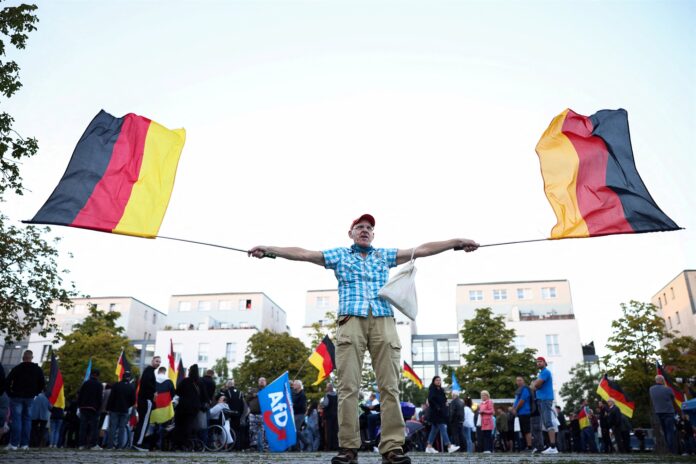
As Greece navigates through the complexities of demographic shifts, it becomes increasingly evident that the aging population is significantly influencing electoral behavior. This phenomenon is not unique to Greece; similar patterns have been observed in various parts of Europe, including Eastern Germany, where demographic changes have reshaped political landscapes. In Greece, the implications of an aging society are profound, prompting discussions around how older voters prioritize their needs and preferences in the electoral process. Older citizens tend to have different concerns compared to younger voters, often focusing more on issues like healthcare, pensions, and social security. This demographic shift towards an older electorate can lead to a recalibration of political priorities, as parties seek to align their platforms with the interests of this vital voting bloc.
The transformation of the voter base in Greece can also be attributed to the broader economic context. With many families facing financial challenges, older voters often find themselves navigating a landscape where their pensions and savings are at risk. This has created a fertile ground for anti-establishment sentiments to flourish, as many older citizens feel that traditional parties have failed to address their concerns effectively. Consequently, there is a growing tendency for voters to gravitate towards alternative political movements that promise to challenge the status quo and offer solutions to their pressing issues.
This shift is particularly noteworthy in light of the historical context of Greece’s political environment. The repercussions of the financial crisis that shook the nation have left lasting impacts on public trust in government institutions. As older voters reflect on their experiences through economic turmoil, their electoral choices are increasingly shaped by their disillusionment with mainstream politics. In this light, we can observe a trend where older citizens are more likely to support parties that are perceived as outsiders to the traditional political framework.
One of the significant factors that influence the electoral behavior of older voters is their relationship with the state and its policies. Many older Greeks have spent their lives contributing to a system that they now feel does not reciprocate adequately. This sentiment often translates into a desire for a political shift, one that can prioritize their welfare and address their needs. As a result, we witness an increase in support for parties that advocate for systemic change, even if it means voting against established political figures and parties.
Moreover, the role of communication and information dissemination cannot be overlooked. Older voters today have access to various forms of media, including social platforms and online news outlets. While traditionally, this demographic may have relied on conventional means of information, the expansion of digital media has exposed them to a broader range of viewpoints. This shift has enabled a more informed electorate, albeit one that is also susceptible to misinformation. The challenge remains for voters to discern between genuine alternatives and populist rhetoric that may not serve their best interests in the long run.
Additionally, it’s essential to consider the impact of social networks on older voters. As people age, their social circles often shrink, which can influence their political beliefs and voting behavior. Many older citizens may rely on family members or friends for political guidance, which can reinforce certain ideologies or lead to a consolidation of anti-establishment sentiments. As these networks become increasingly insular, the likelihood of older voters aligning with parties that promote radical change grows.
In conclusion, the interplay between demographic changes and electoral behavior in Greece highlights the need for political parties to recalibrate their strategies to engage effectively with an aging populace. As older voters become a more significant force in shaping electoral outcomes, their concerns regarding economic stability, healthcare, and social security must be at the forefront of political discourse. The current climate presents both challenges and opportunities for parties seeking to resonate with this demographic. It is crucial for politicians to acknowledge the evolving landscape and adapt their messages to meet the needs of an electorate that is demanding change. As we approach the next election cycle, understanding the motivations and priorities of older voters will be essential for any party hoping to secure their support and navigate the complexities of Greece’s political future.