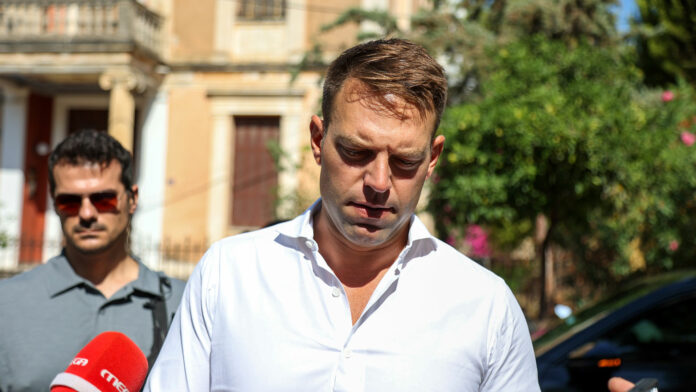
In a bold declaration, Stefanos Kasselakis has made it abundantly clear that he has no intention of collaborating with former allies or, more specifically, with Alexis Tsipras. Speaking on SKAI, Kasselakis voiced his strong opposition to any form of partnership with the current political leader of SYRIZA, emphasizing his desire for an independent electoral path. His statements reflect a growing sentiment within certain political circles that prioritizes autonomy over coalition-building.
Kasselakis’s remarks come at a pivotal moment as the political landscape in Greece continues to evolve. The former allies within his party have faced scrutiny regarding their alignment with Tsipras, and Kasselakis has seized the opportunity to distance himself from any such associations. He described the idea of working with Tsipras as unacceptable, stating, “Over my dead body will there be any collaboration with him.” This phrase encapsulates his resolve and his determination to carve out a distinct identity for himself and his party moving forward.
The implications of Kasselakis’s stance are significant. By rejecting collaboration, he aims to send a message not only to his party members but also to the wider electorate that he prioritizes integrity and respect for the party’s foundational values. He criticized the lack of respect shown to party members by those who would seek to revive ties with Tsipras, suggesting that such moves disregard the will and sentiments of grassroots supporters.
Moreover, Kasselakis’s comments signal a broader shift in Greek politics. With the recent elections and changing voter preferences, many political figures are reassessing their strategies and alliances. The landscape is becoming increasingly fragmented, and leaders like Kasselakis are recognizing the need to establish separate identities that resonate with voters who may feel disillusioned by traditional party politics.
As he prepares for the upcoming elections, Kasselakis’s commitment to running independently could resonate well with constituents who value authenticity and a break from the past. His approach could potentially attract undecided voters and those who are looking for change. It seems that Kasselakis is not merely reacting to internal party dynamics but is also keenly aware of the broader socio-political climate in Greece.
In these challenging times, characterized by economic uncertainties and shifting international relations, the need for strong leadership is more pronounced than ever. Politicians are under pressure to deliver effective solutions that address the concerns of citizens. Kasselakis’s decision to seek an independent path might be viewed as an attempt to assert his leadership and vision for the future of his party and the country.
However, the question remains: Can Kasselakis maintain this stance and still garner sufficient support from the electorate? The political environment is unpredictable, and while his current declarations may play well with certain segments of voters, they could alienate others who see the value in strategic alliances. The balance between independence and collaboration will be crucial as he navigates this electoral cycle.
In conclusion, Stefanos Kasselakis’s firm rejection of any partnership with Alexis Tsipras symbolizes a significant moment in Greek politics. His statements reflect a desire for autonomy and respect for party members, indicating a possible shift in how political alliances are formed in the future. As the elections approach, it will be essential to observe how this independent strategy unfolds and whether it resonates with the electorate, ultimately shaping the political direction of Greece in the coming years.