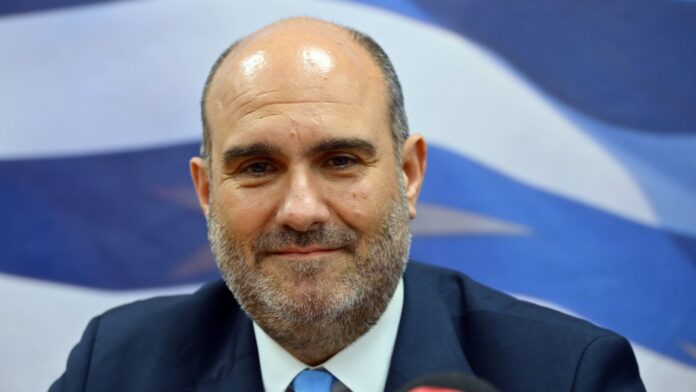
The Deputy Minister of Finance, Mr. Markopoulos, recently addressed the pressing issue of restoring the 13th pension and salary for public sector employees. His remarks shed light on the current economic landscape of Greece, emphasizing that such proposals exceed the limits of the Greek economy and could jeopardize fiscal stability. As we navigate through these challenging economic times, it is vital to consider the implications of such financial decisions.
Mr. Markopoulos articulated that the government’s stance is rooted in a commitment to maintaining a balanced budget, which is crucial for the long-term sustainability of the Greek economy. The idea of reinstating the 13th pension and salary may appear appealing, particularly to those who have faced financial hardships in recent years. However, it is essential to recognize that these measures could lead to significant fiscal imbalances.
The reality is that Greece has made considerable strides towards economic recovery, yet we remain vulnerable to external shocks. Therefore, any decision that could derail our progress must be carefully evaluated. Restoring the 13th pension and salary would not only strain public finances but could also lead to a loss of investor confidence, thereby hampering economic growth.
It’s important to highlight that the government’s fiscal policies are designed to create a stable environment for investment and economic development. By maintaining fiscal discipline, we have the opportunity to foster a robust economy that can support social welfare programs in a sustainable manner. Furthermore, the government has been focused on implementing structural reforms aimed at enhancing productivity and competitiveness. These reforms are essential for ensuring a more resilient economy in the long run.
In considering the proposals for the 13th pension and salary, we must also take into account the broader implications for public sector employment. The public sector plays a crucial role in the functioning of our economy, and it is imperative that we do not compromise its integrity by making impulsive financial decisions. A well-functioning public sector is essential for delivering services to citizens and ensuring that the economy operates efficiently.
The current government has worked diligently to restore fiscal health and build a foundation for future growth. By prioritizing fiscal stability, we are ensuring that Greece can withstand economic challenges and emerge stronger. The restoration of the 13th pension and salary, while well-intentioned, could lead us down a path of instability that undermines the hard-won progress we have achieved.
Moreover, the Deputy Minister stressed the importance of public dialogue on these matters. Engaging with citizens and stakeholders is crucial for building consensus and understanding the potential consequences of financial policies. As we face the realities of our economic situation, it is vital that we approach these discussions with transparency and a shared commitment to Greece’s future.
In conclusion, the remarks made by Mr. Markopoulos regarding the 13th pension and salary serve as a reminder of the delicate balance we must maintain in our fiscal policies. While the desire to support citizens is commendable, we must prioritize long-term economic stability over short-term gains. Greece has made significant progress in recent years, and it is our responsibility to safeguard that progress for future generations.
As we continue to navigate the complexities of our economic landscape, we must remain vigilant and informed about the implications of our decisions. The government’s focus on fiscal discipline and structural reforms is essential for building a sustainable economy that can support our citizens and ensure the prosperity of Greece in the years to come.