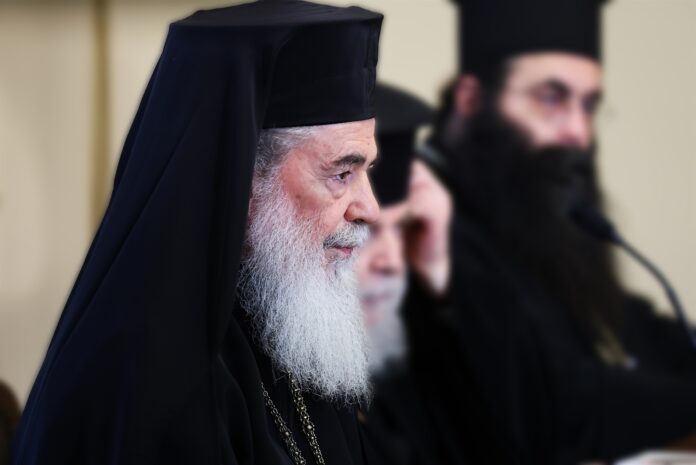
In a recent discussion, the Patriarch of Jerusalem shed light on the significance of potential meetings among various patriarchates, especially in the context of the current geopolitical climate in the Middle East. The conversation highlighted how a united front among Christian leaders could play a pivotal role in safeguarding the interests of Christian communities in the region.
One of the key takeaways from this dialogue was the meeting with President Trump, which unveiled deeper insights into American intentions towards Christian communities in the Middle East. The Patriarch emphasized that the U.S. holds a unique position that can either bolster or hinder the stability of these communities. He remarked that American support is crucial, but it must be accompanied by a genuine understanding of the local dynamics and challenges faced by Christians.
The Patriarch noted that there is a growing concern regarding the safety and rights of Christians in the Middle East. He called for a more proactive approach from the international community, particularly from powerful nations like the United States. The importance of advocacy for religious freedom, protection from persecution, and support for community development was underscored as essential components of a comprehensive strategy.
Moreover, the conversation touched upon the role of the new Orthodox university established in Jordan. This institution is seen as a vital step in fostering education and theological training among young Christians in the region. The Patriarch expressed optimism that the university would not only serve as a center for learning but also as a beacon of hope for the Christian community, reinforcing their cultural and spiritual identity amid growing challenges.
The establishment of such an educational institution is particularly timely, given the increasing pressures faced by Christians in the Middle East. The Patriarch highlighted that education plays a crucial role in empowering the community and ensuring their voices are heard on both a local and international stage.
In discussing relationships with other patriarchates, the Patriarch pointed out that collaboration is essential. He believes that shared efforts can lead to more substantial outcomes in addressing the plight of Christians in the region. The Patriarchate of Jerusalem is open to engaging in dialogue with other Christian leaders to foster unity and collective action.
The Patriarch underscored the necessity for these meetings to become more frequent and structured. He argued that regular consultations among patriarchates could provide a platform for exchanging ideas, strategies, and resources to better support their communities. Such gatherings could also enhance solidarity among different Christian denominations, which is crucial in a time of division and uncertainty.
In conclusion, the Patriarch of Jerusalem’s reflections on the importance of meetings among patriarchates highlight a crucial avenue for strengthening the Christian presence in the Middle East. As geopolitical tensions continue to rise, the need for a united Christian voice has never been more pressing. The recent discussions with international leaders, combined with the establishment of educational institutions, represent a hopeful path forward. However, these efforts must be sustained and supported by a commitment to collaboration, advocacy, and a shared vision for the future of Christianity in the region. The Patriarch’s call for unity among Christian leaders resonates as a reminder that together, they can navigate the challenges ahead and ensure the survival and thriving of Christian communities in the Middle East.